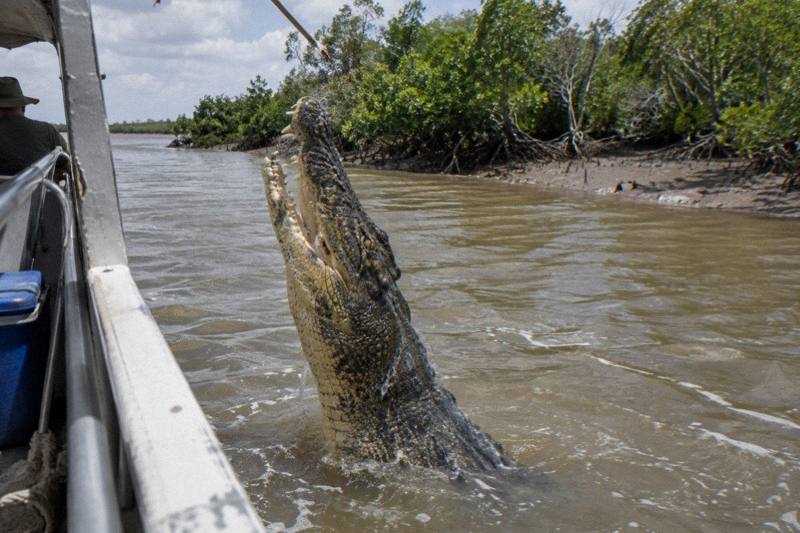
Jumping Crocodile Cruise Or Daintree River Crocodile Cruise?
Two famous crocodile rivers, one choice. Here is what the Adelaide River side genuinely offers, operator by operator, so you can weigh it against whatever a Queensland trip puts on the table.
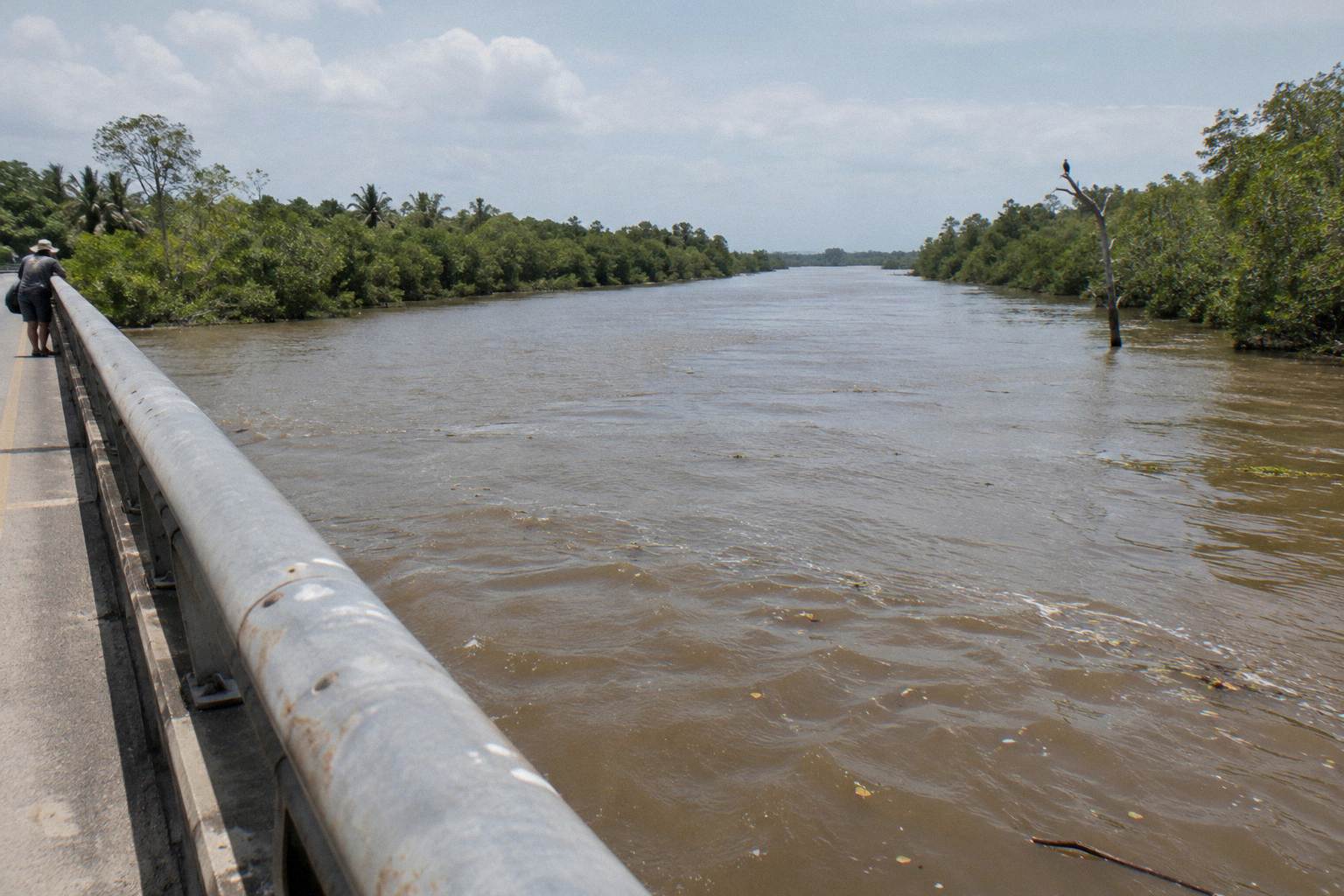
Short answer
The Adelaide River, about an hour from Darwin, runs jumping crocodile cruises from A$55 to A$75 adult across three operators, every cruise about one hour on the water. Queensland's Daintree is a different region with different operators; this page weighs the decision using verified Adelaide River facts only.
Australia has two heavyweight crocodile-cruise regions, and travellers with limited time often have to pick one. The Adelaide River sits in the Northern Territory, roughly an hour out of Darwin; the Daintree River sits in Far North Queensland. Both trade on the same animal, the saltwater crocodile, but the experience on the water, the price of a ticket and the way each region fits into a wider itinerary are not the same thing at all.
One scope note before anything else: this site researches the Adelaide River operators and the Northern Territory Government's crocodile pages, and holds no verified facts about the Daintree River, its Queensland operators, their boats or their prices. So this page will not quote a Daintree operator or invent a Daintree figure. What it can do, honestly, is lay out everything the Adelaide River side verifiably offers, so that when you compare it with what a Queensland listing shows you, you are weighing real numbers against real numbers.
That comparison, for what it is worth, comes down to four questions. How far are you willing to drive or ride for a one-hour cruise? What does each side charge, and what do you get for that fare? Do you want a cruise that provokes a full lunge out of the water, or a cruise that drifts past crocodiles resting on a bank? And which region's surrounding itinerary, Kakadu and Litchfield in the Top End, or the rainforest and reef country around the Daintree, do you actually want to spend the rest of your week in?
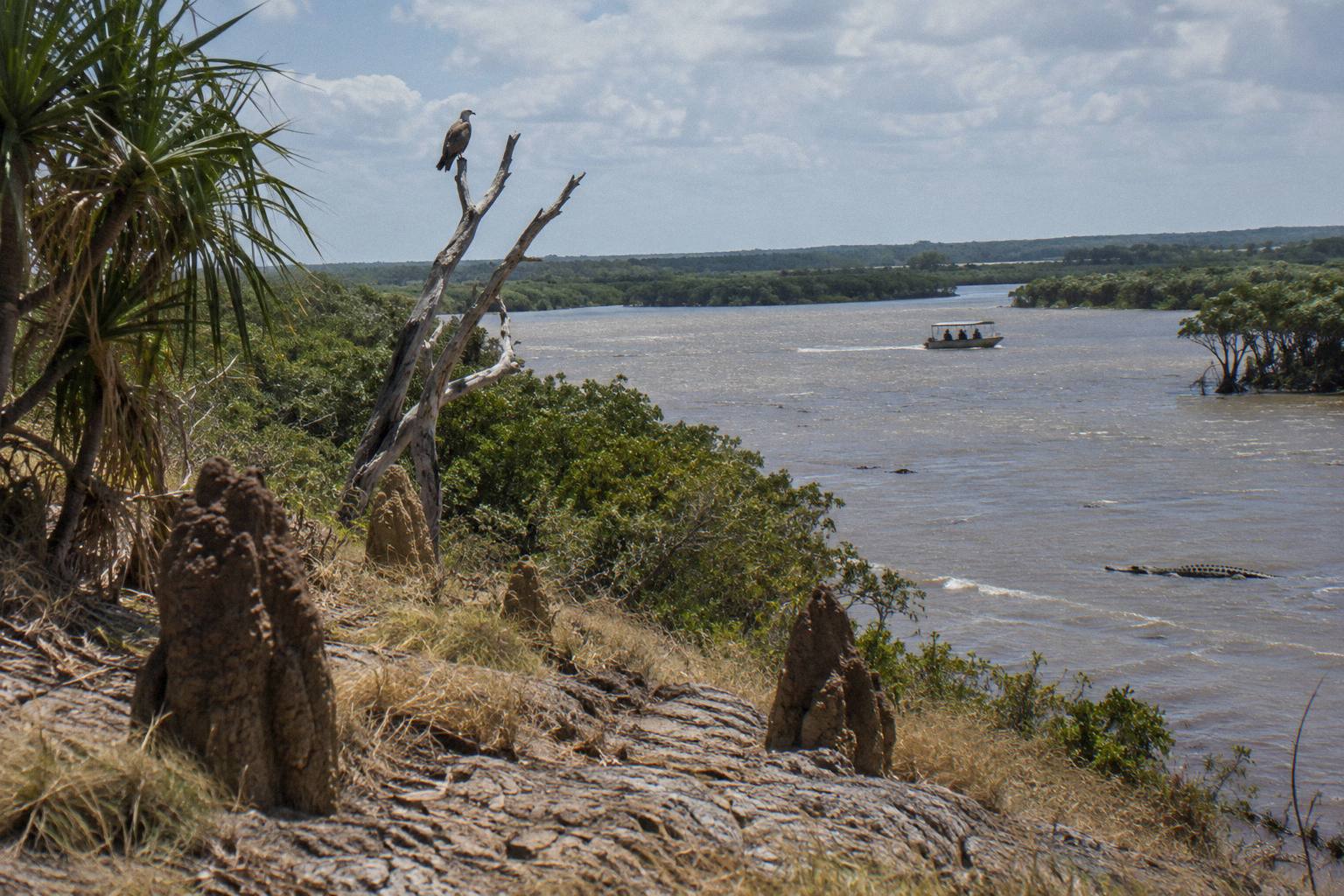
How Do The Two Crocodile Cruise Regions Compare?
Both rivers offer wild saltwater crocodiles viewed from a covered or partially covered vessel with a crew that knows the local animals, and both operate in the tropics with a distinct wet and dry season. The core difference is format: Adelaide River cruises are built around inducing a vertical lunge from the water, charging operator fares from A$55 adult, while the Daintree market, which this site does not research, is structured around its own operators and pricing. That is the honest, provable skeleton of the comparison.
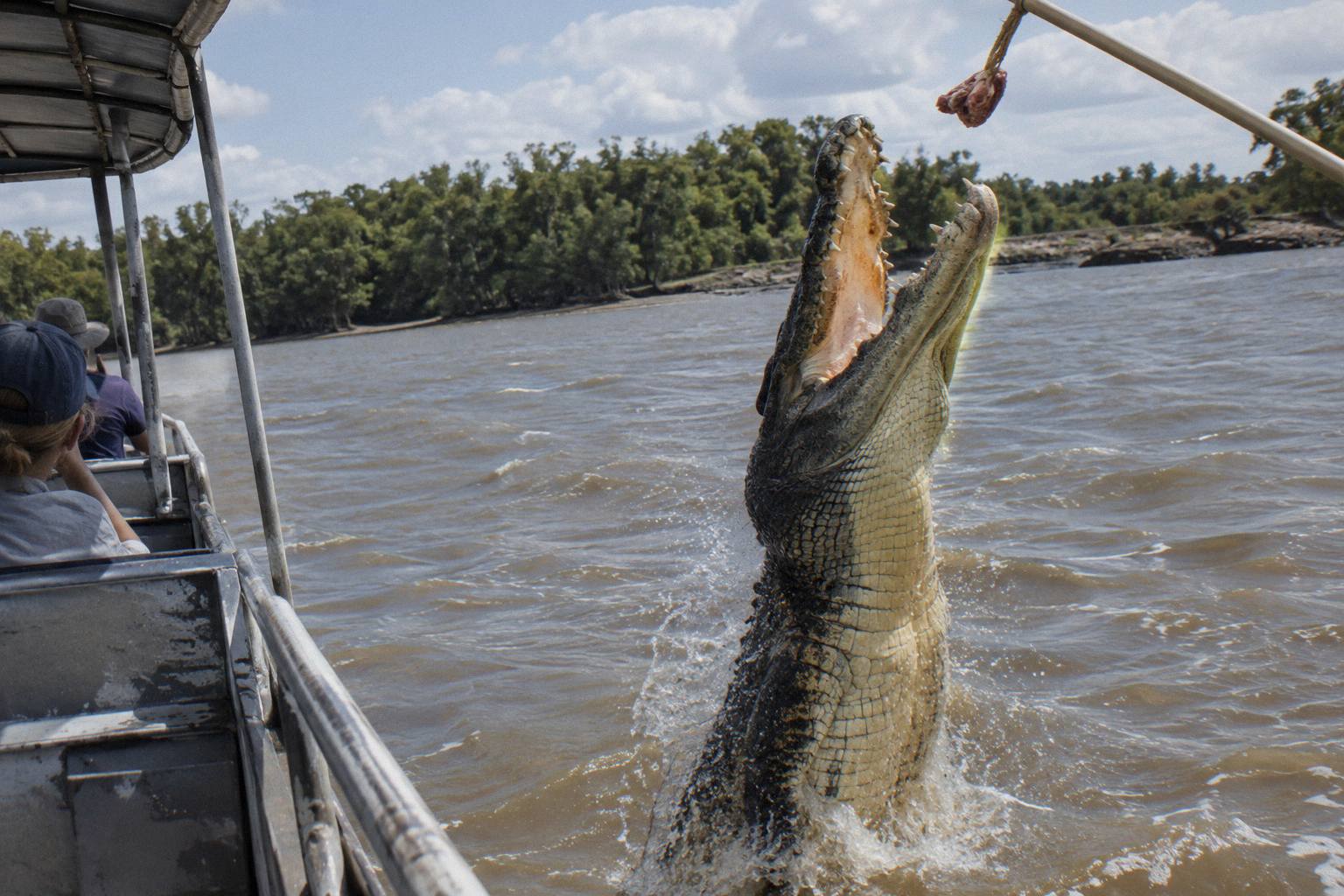
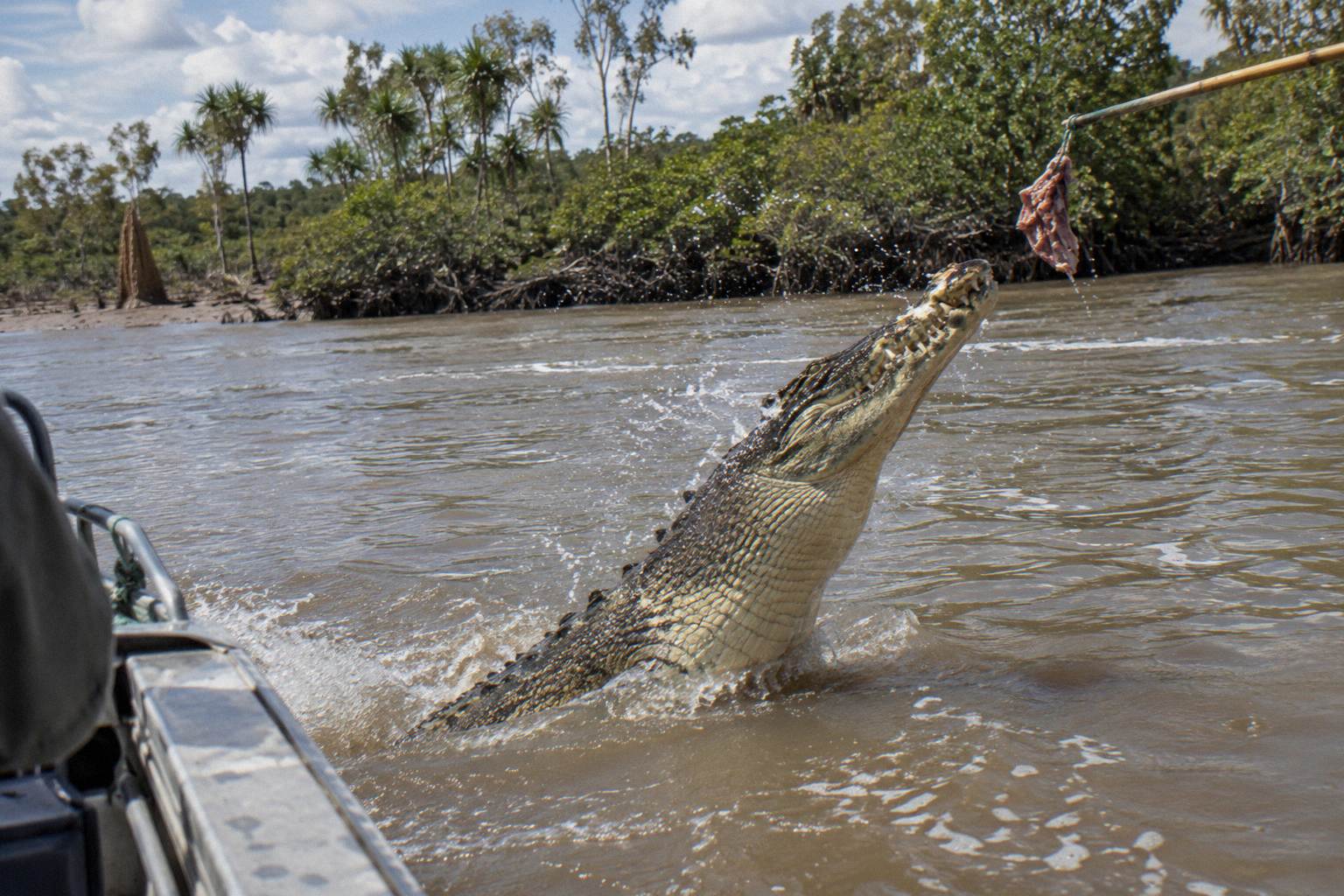
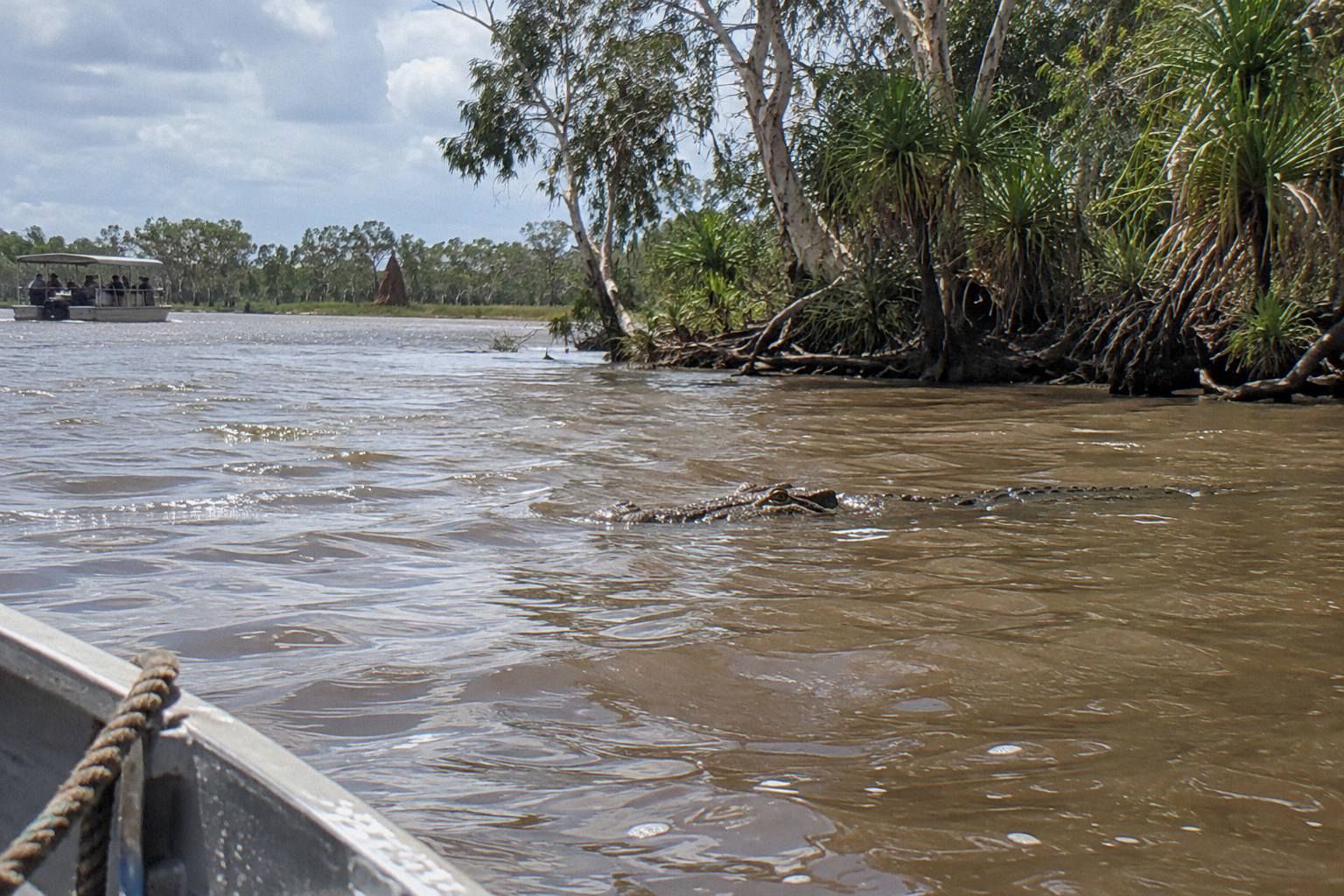
The format point matters more than visitors expect. On the Adelaide River, the crocodiles that leap do so because the boats are associated with food: Spectacular Jumping Crocodile Cruises says its crocodiles are offered a taste of buffalo meat, under Wildlife Permits from NT Parks and Wildlife, with detailed feeding logs kept and an Animal Ethics Policy developed with the parks service. The Original Jumping Crocodile Cruises operator says its crocodiles are 100% wild and that feeding is done under NT wildlife permits. The jump is a feeding response, and no operator and no NT Government page publishes a jump height, a jump distance or a how-close-to-the-boat figure, so treat any number like that on either river with suspicion.
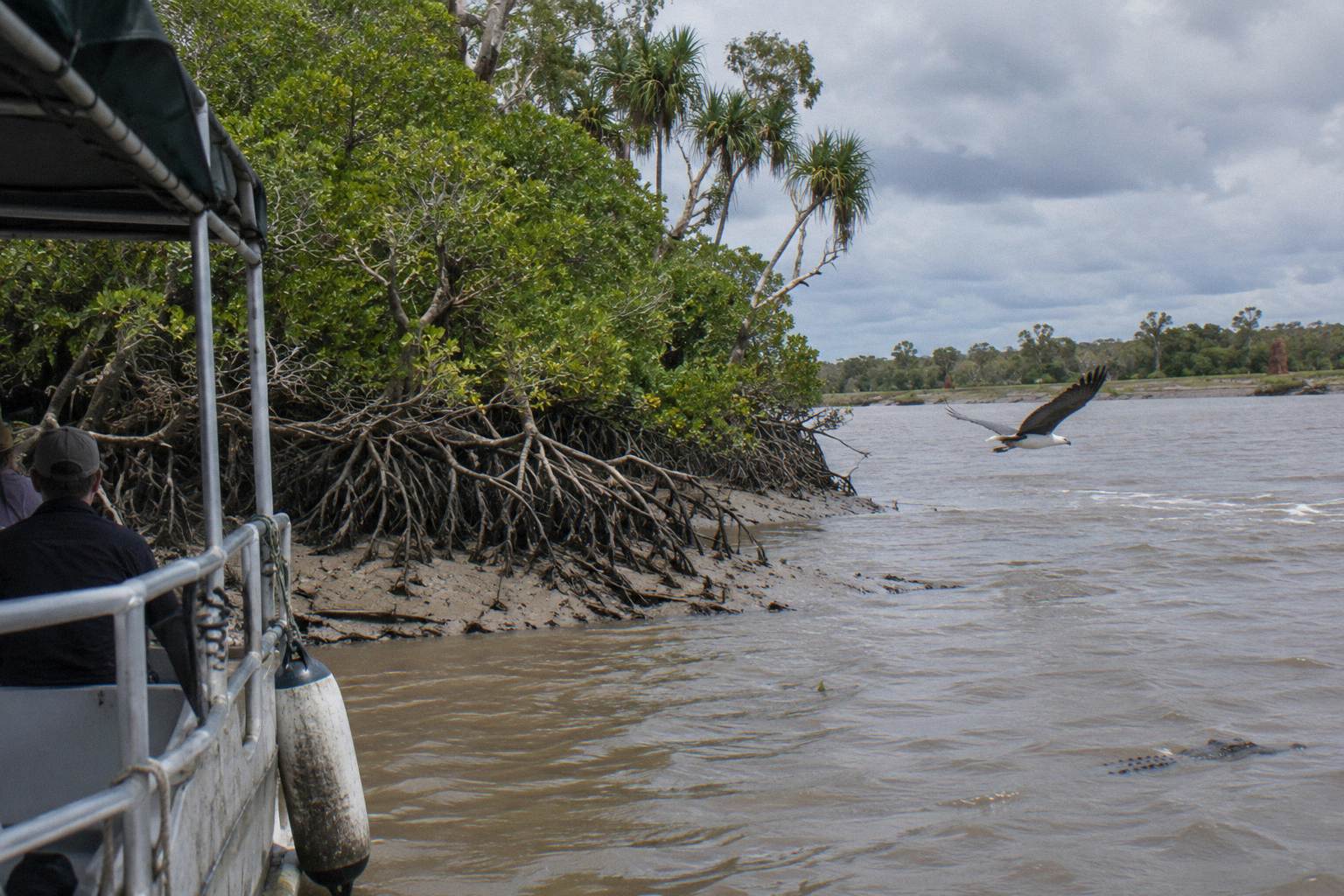
A Queensland river cruise, in the general sense any traveller can verify from a listing, tends to be sold as a wildlife spotting tour: crocodiles seen basking, swimming or hunting on their own terms. Neither approach is more "real" than the other. Both show wild animals. But if the photograph you want is a crocodile fully airborne with buffalo meat in its jaws, the Adelaide River is the region built around that shot, and if you want the animal doing nothing it was induced to do, you would need to check what each Daintree operator actually offers before booking. The NT Government's own crocodile pages describe the species, Crocodylus porosus, the saltwater crocodile, the largest living reptile, capable of growing up to 6 m, and that animal is the star on both rivers.
There is a fair question about crocodile density, too. The NT Government page notes there are more saltwater crocodiles in the Northern Territory than in Queensland and Western Australia, with about 100,000 in the NT wild in 2017, thought to be at or approaching pre-hunting levels. No river-by-river count for the Adelaide River exists in the sources behind this page, and no equivalent Daintree figure is held here either. Region-wide numbers do not tell you what you will see from a specific boat on a specific hour.
How Much Do Adelaide River Cruises Near Darwin Cost?
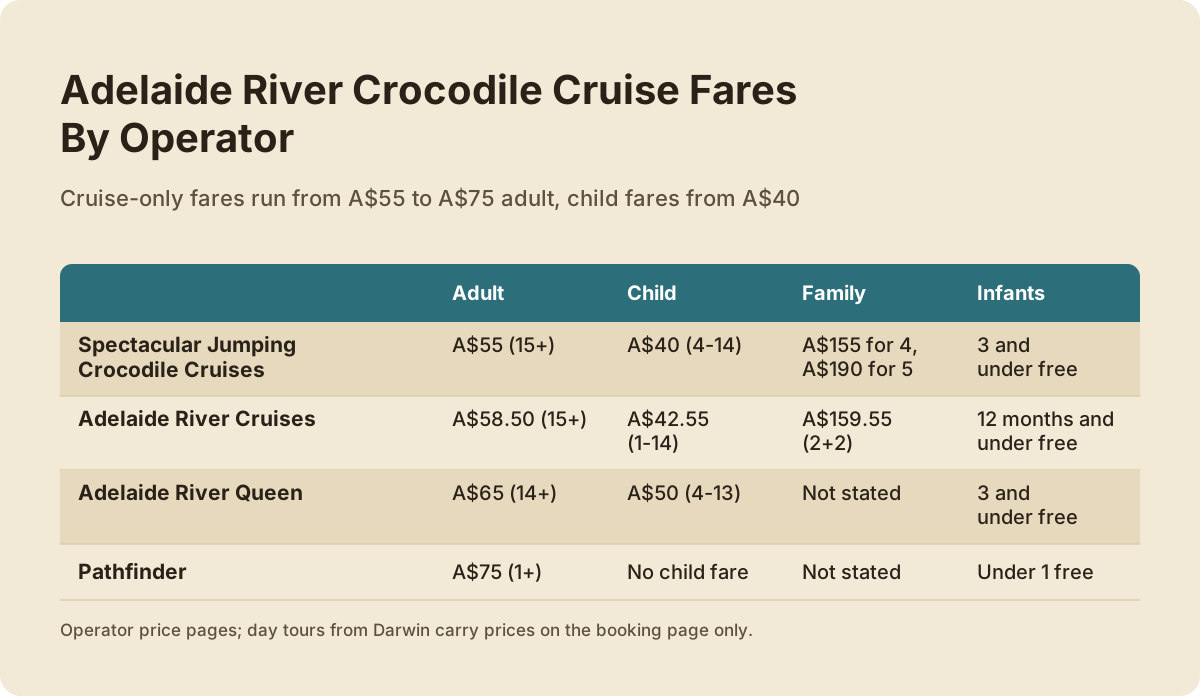
Fares on the Adelaide River are set by three separate river operators and run from A$55 to A$75 for an adult on a cruise-only ticket, child fares from A$40, with every cruise about one hour on the water. These are each operator's own published prices and they can change. Day tours from Darwin carry their prices on the booking page only.
The cheapest adult fare in the roster belongs to Spectacular Jumping Crocodile Cruises: A$55 for adults 15 and over, A$40 for children 4 to 14, infants 3 and under free, a family of four at A$155 and a family of five at A$190, excluding a small booking fee added at checkout. A senior rate exists, with the amount on the operator's price page.
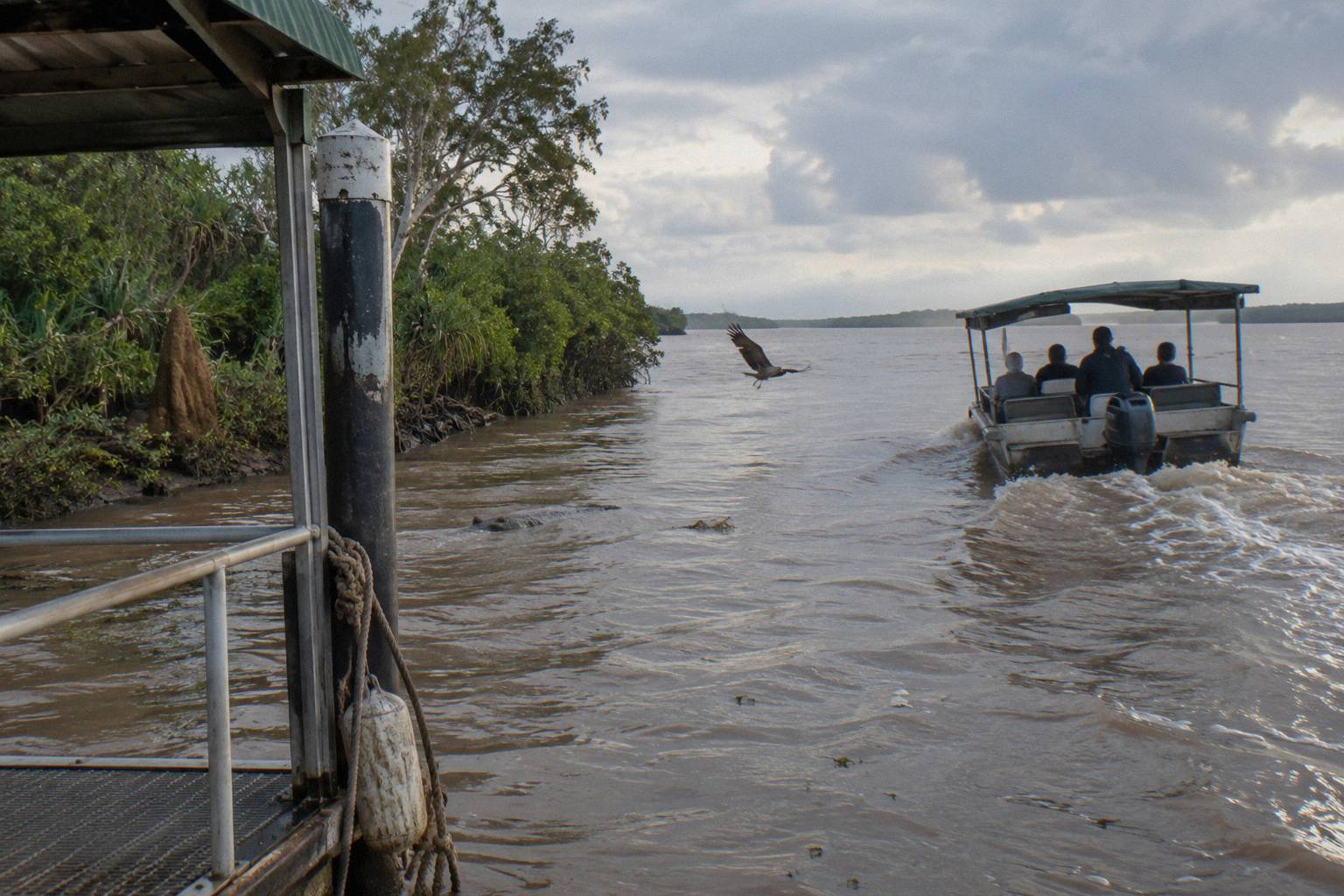
Adelaide River Cruises prices slightly higher at A$58.50 adult, A$42.55 child (1 to 14), with family pricing at A$159.55 for two adults and two children, A$202.09 for 2+3 and A$244.64 for 2+4, a concession rate of A$53.18 for pension card holders, and infants 12 months and under free on a lap; those fares are stated including taxes and fees. The Adelaide River Queen, the big twin-deck boat, is A$65 adult (14+) and A$50 child (4 to 13). The Pathfinder vessels charge a single A$75 fare for any passenger aged 1 and over, with no separate child price, and the operator is currently running a kids promotion: one child under 13 travels free per full-paying passenger for travel between 5 October 2026 and 31 March 2027 unless it ends earlier, with limited seats, so check with the operator that the promotion still applies.
| Operator | Adult fare | Child fare | Infants | Notes |
|---|---|---|---|---|
| Spectacular Jumping Crocodile Cruises | A$55 (15+) | A$40 (4-14) | 3 and under free | Family of 4 A$155, family of 5 A$190; small booking fee at checkout |
| Adelaide River Cruises | A$58.50 (15+) | A$42.55 (1-14) | 12 months and under free on a lap | Family 2+2 A$159.55, 2+3 A$202.09, 2+4 A$244.64; concession A$53.18; includes taxes and fees |
| Adelaide River Queen | A$65 (14+) | A$50 (4-13) | 3 and under free | Twin-deck vessel, 1pm daily departure |
| Pathfinder | A$75 (1+) | No child fare | Under 1 free | Kids promotion on selected travel dates, check it applies |
Whether that is cheaper or dearer than a Daintree cruise is not something this page can honestly answer, because no Daintree price is held in the research behind it. What can be said is what you get for those fares here: an hour on the water with a crew that works the same stretch of river daily, and shore facilities that vary by operator. Comparing a cruise-only fare with a bundled day tour is equally misleading, since day tours include transport and stops; never let a listing comparison do that quietly.
For the full picture on the local options, the Adelaide River river cruise operators compared guide walks through each operator in detail, and what the jumping crocodile cruise costs covers the value question for families and concession holders.
How Do You Get To Each Crocodile Cruise?
All three Adelaide River cruise jetties are reached from Darwin via the Arnhem Highway, a drive of roughly 50 minutes to just over an hour depending on which operator you book, and all offer free parking with no park pass required; two sit on sealed roads the whole way, while the third adds about 2 km of well-maintained unsealed road that hire cars can use.
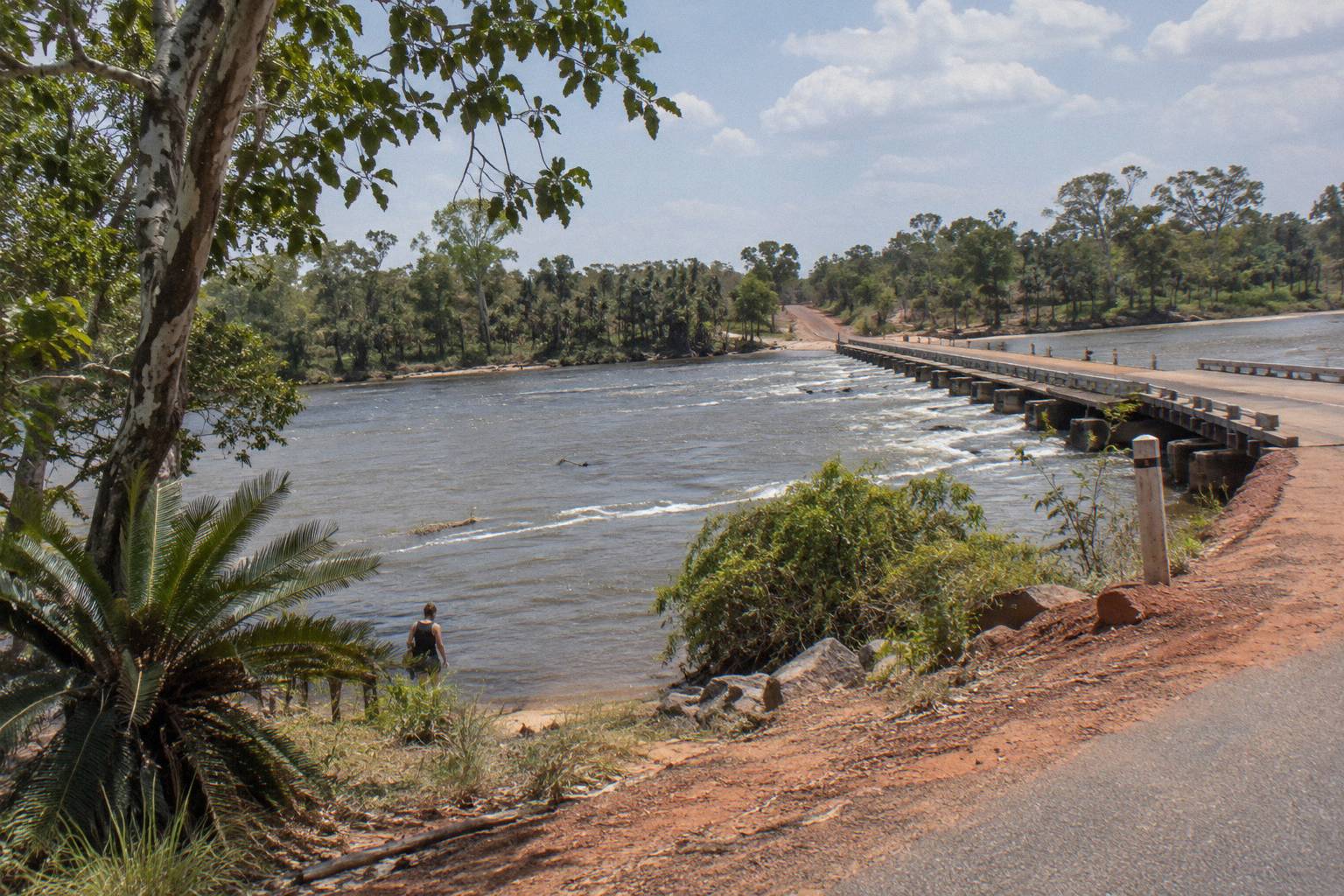
The Adelaide River Queen and the Pathfinder vessels leave from 3220A Arnhem Highway, Wak Wak, at the Adelaide River Bridge, 100 m to the right of the highway, sealed road all the way, with a giant crocodile statue standing in the car park so you cannot miss it. That operator gives the drive from Darwin as 50 to 60 minutes and from the centre of Litchfield National Park as 100 to 110 minutes. Adelaide River Cruises departs from Anzac Parade, Middle Point, about an hour or a little more from Darwin; its own two pages give slightly different drive times, so the honest figure is that range. Spectacular says its access road often shows water buffalo, cattle and wading birds before you even reach the jetty.
| Operator | Departure point | Road access | From Darwin |
|---|---|---|---|
| Spectacular | Beatrice Hill Farm, 2915 Arnhem Road, Middle Point | Sealed, then about 2 km unsealed but well-maintained | Just under 1 hour |
| Adelaide River Queen and Pathfinder | 3220A Arnhem Highway, Wak Wak, at the Adelaide River Bridge | Sealed all the way | 50 to 60 minutes |
| Adelaide River Cruises | Anzac Parade, Middle Point | Operator directions apply | About an hour or a little more |
If you would rather not drive at all, the region also sells day tours from Darwin that bundle the cruise with transport, and those are a genuine alternative to self-driving. The self-drive or tour decision for the jumping crocodile cruise guide works through that trade-off, and the drive from Darwin to the Adelaide River covers the route itself.
The Croc Bus From Darwin To The Jumping Crocodile Cruise runs about 4 to 5 hours with return transport, a jumping crocodile cruise with Adelaide River Cruises, Fogg Dam entry and a Humpty Doo stop, with the price on the booking page.
For readers also fitting Kakadu into a Top End trip, the Original/Queen operator notes its site sits on the Arnhem Highway en route to Kakadu National Park, which makes a cruise a natural first or last stop on that drive, something a Queensland itinerary cannot replicate.
Which Boats And Cruise Styles Does Each Region Run?
The Adelaide River runs three operators with clearly different vessels: Spectacular's two custom boats, Croc-Cat1 with stadium-style seating and the smaller Wildcat; the Adelaide River Queen with an air-conditioned lower deck, croc-proof glass and an open-air shaded upper deck; and the open-air Pathfinder vessels carrying up to 38 passengers each. No Daintree vessel or capacity figure appears in this site's research.
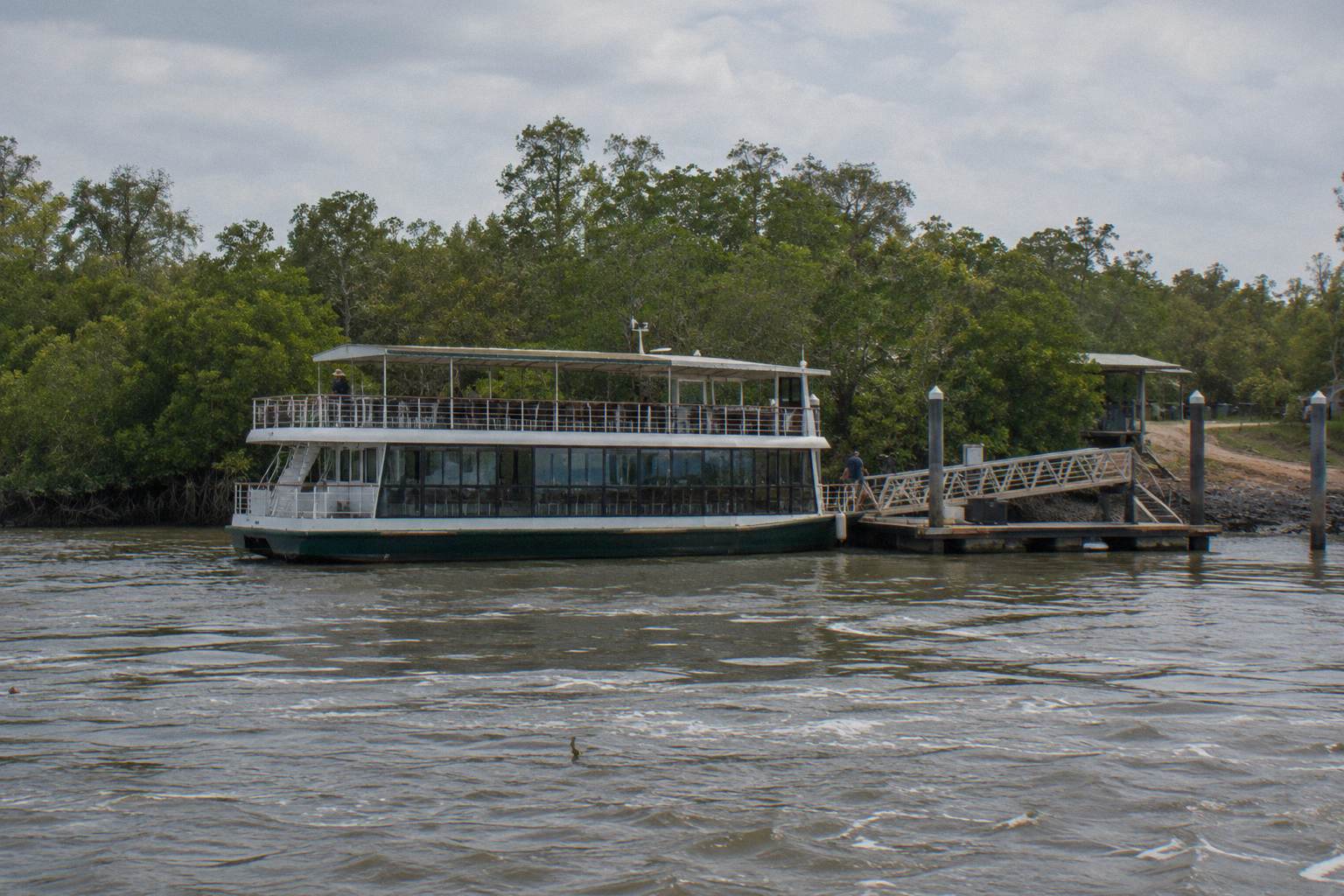
The Adelaide River Queen is the region's conventional big boat: a lower deck that is air-conditioned with individual seating behind croc-proof glass, per the operator, and an open-air upper deck under a shaded canopy. Families with small children and travellers who wilt in tropical sun tend to favour that twin-deck setup, and the boat is accessible for manual wheelchairs and prams with assistance. The Pathfinders are the open-air option, up to 38 passengers per vessel, accessible to mobility-impaired passengers but not wheelchair accessible, with prams left onshore. Adelaide River Cruises opens every trip with a safety briefing from the guides on crocodile behaviour and the rules; its own pages give two different capacity numbers, so none is printed here, and no capacity should be read as applying across the river.
Accessibility is worth naming because it is documented here and unverifiable for the other region. Spectacular is a QTA-accredited accessible facility with accessible toilets and parking onshore, though boarding needs about 10 m of walkway plus three stairs and wheelchair users must transfer onto the vessel; the Companion Card is accepted. The accessibility guide for the jumping crocodile cruise details all three operators. If accessibility drives your choice, ask any Queensland operator the same questions directly rather than assuming parity.
When Should You Take Each Cruise?
The Adelaide River runs year-round through Spectacular, daily except Christmas Day, with crocodiles active in every month per the Original/Queen operator; the Dry Season from May to October is named by that operator as the most comfortable time, and Adelaide River Cruises lists operating months May to October only. Wet-season departures on the Adelaide River Queen may be reduced, so confirm when booking. No Daintree seasonal figure exists in this site's sources.
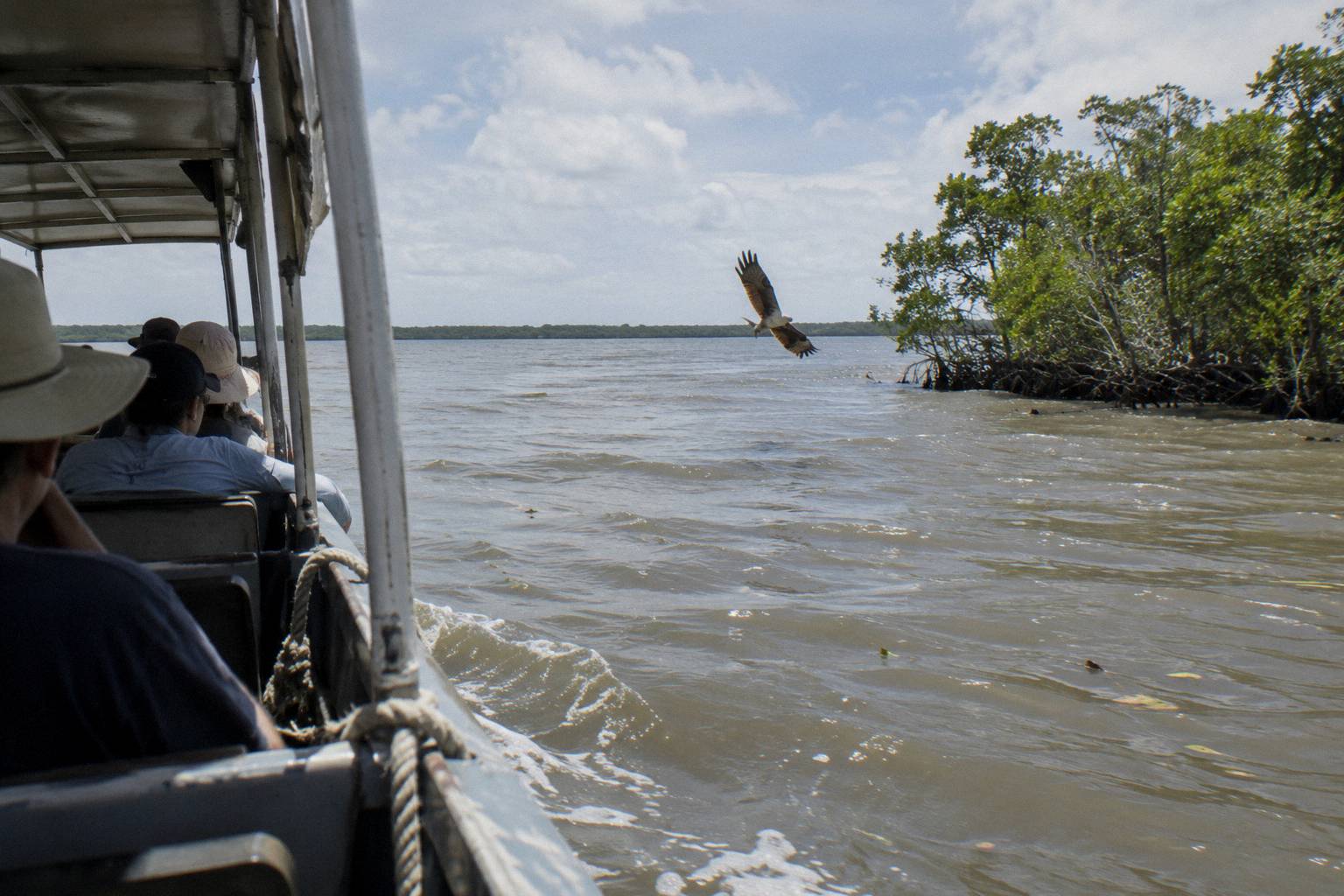
The practical read for someone weighing the two regions: a Top End cruise is a year-round product through at least one operator, but the densest booking pressure sits in the Dry Season. The Original/Queen operator recommends booking several days ahead between May and October and says school holidays and long weekends often sell out earlier. Adelaide River Cruises strongly recommends booking in advance, especially June to August, and says walk-ins are not guaranteed. Spectacular simply says "we do sell out." Wherever you finally cruise, read the booking page's own terms; Adelaide River Cruises' FAQ gives a full refund if cancelled more than 24 hours before departure, non-refundable inside 24 hours unless the operator cancels for weather or operations, while the other operators' terms sit on their confirmations. The wet season versus dry season guide unpacks the timing decision in full.
Nesting adds a seasonal flavour that Queensland shares in broad outline: the NT Government says nests are built November to May with an average of about 50 eggs, so travel in those months is travel in breeding season, whatever river you choose.
Which Region Fits Better With The Rest Of Your Trip?
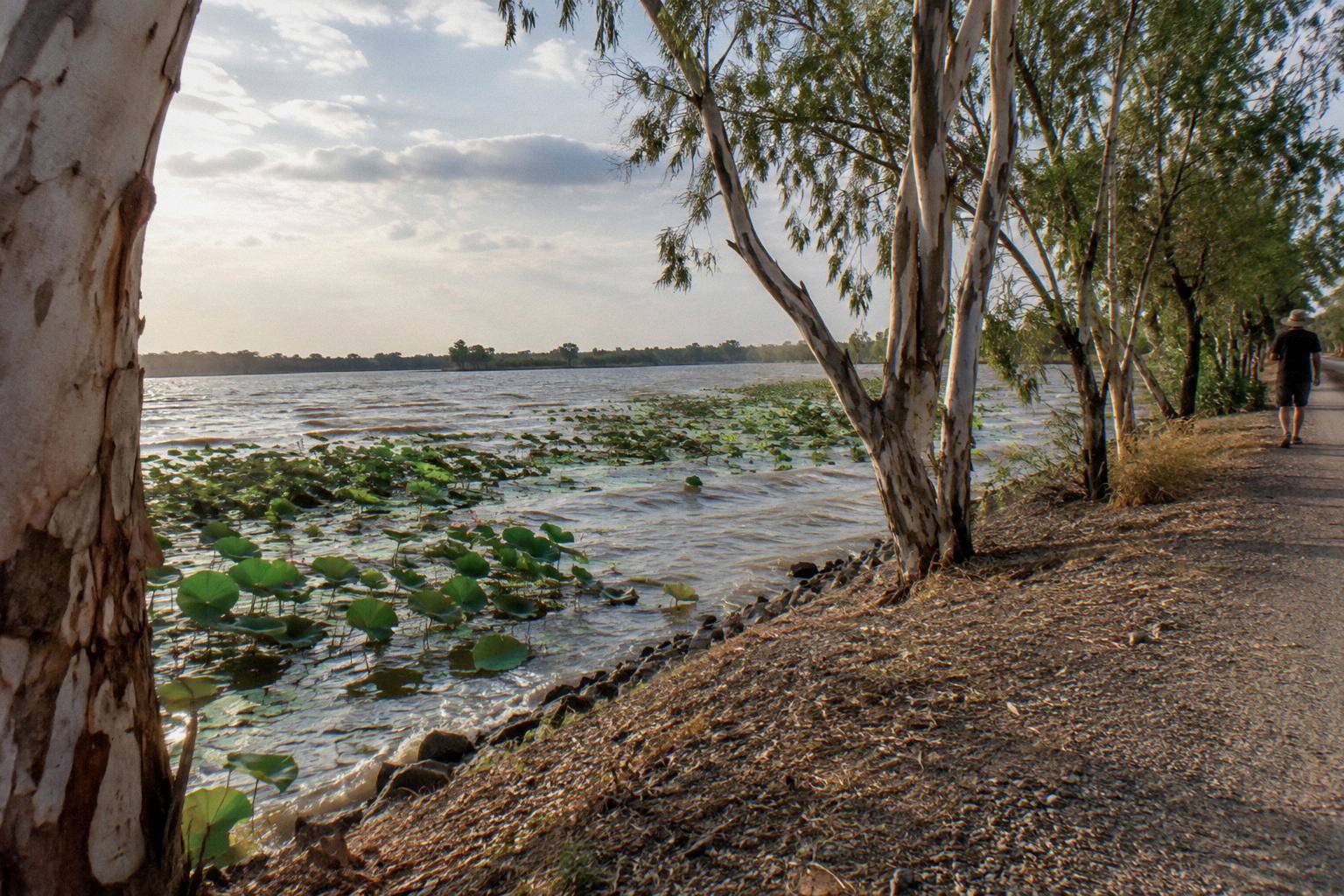
The Adelaide River plugs into a Top End loop of Darwin, Kakadu and Litchfield, with the Queen jetty on the Kakadu road itself, Litchfield 100 to 110 minutes away, and day tours bundling the cruise with Fogg Dam, Humpty Doo or Litchfield falls; the Daintree belongs to a Cairns and Port Douglas itinerary whose details this site does not hold. This is the decision most travellers under-weight, and it is arguably the real one.
| Day tour from Darwin | Operator | Duration | Key inclusions |
|---|---|---|---|
| Jumping Crocodile Adventure Cruise With Lunch | Wallaroo Tours NT | About 4 hours | Lunch at Humpty Doo Pub, cruise, Fogg Dam, Window on the Wetlands, hotel transfers |
| Jumping Crocodile Cruise And Fogg Dam | Croc Country Safaris | About 5 hours | Cruise, Fogg Dam, Hooked on Barra entry |
| Adelaide River Half-Day Jumping Crocs Cruise | AAT Kings | About 5 hours | Cruise, Window on the Wetlands, Fogg Dam, coach transport |
| Jumping Crocodile River Cruise With Shuttle Bus | Wildlife Tours Australia | About 4 hours | Darwin transfer, 1 hour cruise, minibus |
| Half-Day Scenic Trip With Jumping Crocodile Cruise | Autopia Tours | About 4.5 hours | 1 hour cruise, hotel pickup |
| Litchfield Park Tour And Jumping Crocodile Cruise | Litchfield Escapes | Full day | Cruise, Wangi Falls, Florence Falls, Buley Rockhole |
The Litchfield day is where the Top End itinerary argument is strongest. The Litchfield Park Tour And Jumping Crocodile Cruise by Litchfield Escapes is a full day that pairs the jumping cruise with Wangi Falls, Florence Falls and Buley Rockhole, with lunch included, and the Litchfield and jumping crocodile cruise combination guide covers it in depth. Against that, a Daintree cruise belongs to rainforest and reef country, with its own inclusions this site cannot verify. The honest framing is that you are choosing between two very good holidays, not between two boat rides.
One further Top End option mixes fishing with the cruise: Jumping Crocodile Cruise And Barramundi Fishing, about 5 hours, includes hotel pickup, the jumping crocodile cruise, Fogg Dam and land-based barramundi fishing, with the price on the booking page.
How Safe Are Crocodile Cruises On Each River?
The NT Government states that any body of water in the Top End may contain large and potentially dangerous crocodiles and that saltwater crocodiles are a serious threat to humans; cruise safety therefore rests on operator rules, which here mean no direct contact with the animals, life jackets on board, no swimming, no food on the boat and supervised children. No claim about Daintree safety appears in this site's sources. No honest page will call a crocodile cruise "safe" as a guarantee.
The Government's own Be Crocwise advice is blunt: swim only where designated safe-swimming signs show, camp at least 50 m from the water, stand at least 5 m back from the edge when fishing, and never lean out of or dangle limbs over the side of a boat. The cruise operators' rules put that last principle into practice. Spectacular offers no direct contact with the crocodiles and holds the permits and ethics policy described above. The Original/Queen operator carries life jackets, bans swimming and food on the boat, and requires supervised children. Adelaide River Cruises opens with a safety briefing on crocodile behaviour and the rules, and its operator FAQ covers the practical questions. The Original/Queen operator is candid about the animals: "We see crocodiles on almost every tour... behaviour can never be guaranteed."
Both crocodile species, saltwater and freshwater, are protected by law, and nobody may take or interfere with a crocodile without a permit; the saltwater crocodile was almost extinct in the 1970s and is now widespread and no longer considered threatened. If a Queensland listing makes safety claims, apply the same test you would here: ask what the rules are on the boat, and treat any guarantee of behaviour as a red flag. The are jumping crocodile cruises safe post works through this question in detail.
What Else Can You See Besides Crocodiles?
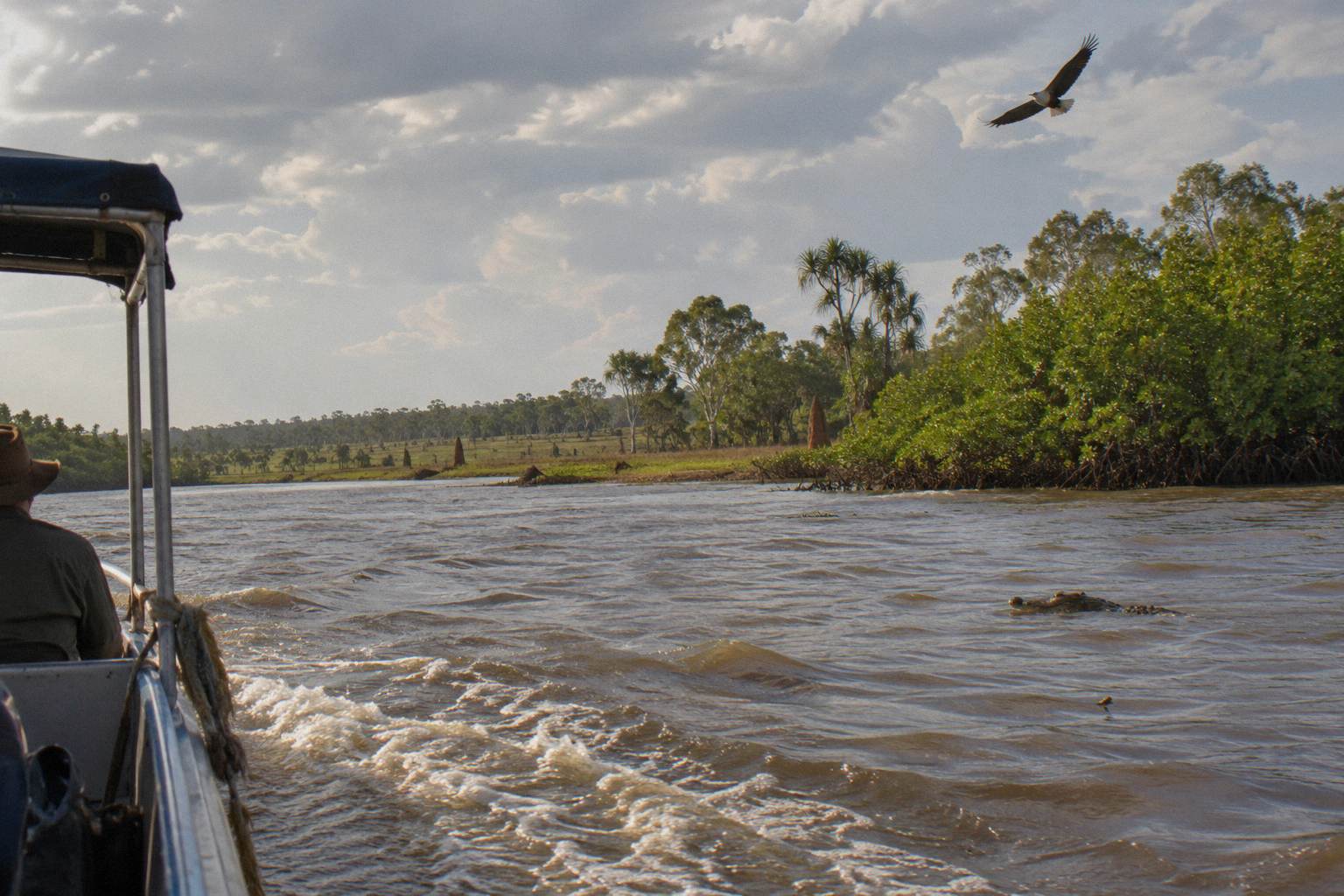
On the Adelaide River, Spectacular's own wildlife list includes white-bellied sea eagles, whistling kites, freshwater crocodiles, bull sharks, black flying-fox, the endangered speartooth shark and the critically endangered largetooth sawfish, while its access road often shows water buffalo, cattle and wading birds. No bird counts, seasonal bird claims or Daintree species lists exist in this site's sources, and no sighting can be promised.
That list is the operator's wording, and it is a reminder that a tropical river cruise is a broader wildlife trip than the poster animal suggests. The speartooth shark and largetooth sawfish entries are notable because both are threatened species that live in northern Australian rivers, and a Daintree listing would need to be checked on its own merits for anything comparable. No source here gives jabiru, mangrove or seasonal detail beyond the operator's list, so it is not invented. Photography advice follows the same honest line: Adelaide River Cruises suggests a camera or a charged phone, says a zoom lens is useful for wildlife across the floodplain, and says standard phone cameras suit the crocodile interactions because of the proximity, in the operator's own wording. Spectacular encourages photography and runs tours in English. The wildlife and birds of the Adelaide River guide expands on what the floodplain holds.
The shore experience also differs by operator, which matters if you arrive early with family. Spectacular has free tea and coffee on arrival, a kiosk with hot food and snacks, a pavilion with a 270-degree view, a gift shop, animal exhibits and onshore toilets. The Original/Queen operator runs the licensed Stumpy Tail Coffee Stop from 8am to 4pm daily in cruise season, plus a gift shop, a playground and shaded seating. Adelaide River Cruises has no cafe on site, so plan food around that. Bring water, sunscreen, a hat, comfortable clothing and sturdy footwear, per the operator advice.
Common Questions About Adelaide River Versus Daintree Crocodile Cruises
Is A Daintree Crocodile Cruise Better Than An Adelaide River Jumping Crocodile Cruise?
This site holds no verified facts about Daintree River operators, boats or prices, so no honest verdict is possible here. The Adelaide River side runs jumping-format cruises from A$55 adult, about one hour on the water, an hour from Darwin. Compare that against the current Daintree listing figures and the style of cruise each offers.
Are There More Crocodiles In The Northern Territory Or Queensland?
The NT Government page says there are more saltwater crocodiles in the NT than in Queensland and Western Australia, with about 100,000 in the NT wild in 2017. It gives no combined figure and no river-by-river count for the Adelaide River exists in the sources.
Do Crocodiles Jump On Both Rivers?
The vertical lunge is the Adelaide River cruise format: operators offer a taste of buffalo meat under NT wildlife permits, which induces the jump. No operator or NT page publishes a jump height or distance. Whether a given Queensland cruise induces jumps is a question for that operator's own listing.
How Much Does An Adelaide River Crocodile Cruise Cost?
Operator fares run from A$55 to A$75 adult and A$40 to A$50 child depending on the operator, with family and concession rates at some. Prices are each operator's own and can change. Day tours from Darwin carry their prices on the booking page.
Which Region Is Easier To Reach Without A Car?
On the Adelaide River side, eight day tours from Darwin bundle the cruise with hotel or central pickup, from about 4 hours to a full day, so no car is needed. This site holds no comparable Daintree transport facts.
When Is The Best Time Of Year For A Crocodile Cruise?
On the Adelaide River, the Original/Queen operator names May to October as the Dry Season with the most comfortable conditions, crocodiles are active year-round, and Spectacular runs daily except Christmas Day. Operators publish no morning-versus-afternoon behaviour claims.
Whichever river wins, book the specific operator, not the region's reputation: the three Adelaide River operators differ in boat, price, departure times and facilities, and the same is almost certainly true wherever you end up. The Adelaide River Crocodile Cruise site keeps the operator-by-operator detail, season notes and booking guidance in one place, all drawn from the operators' own pages and the NT Government.